Bulgarian

Cracks on the heels: causes, treatment and Prevention
- 24 Jan, 2026
- Home
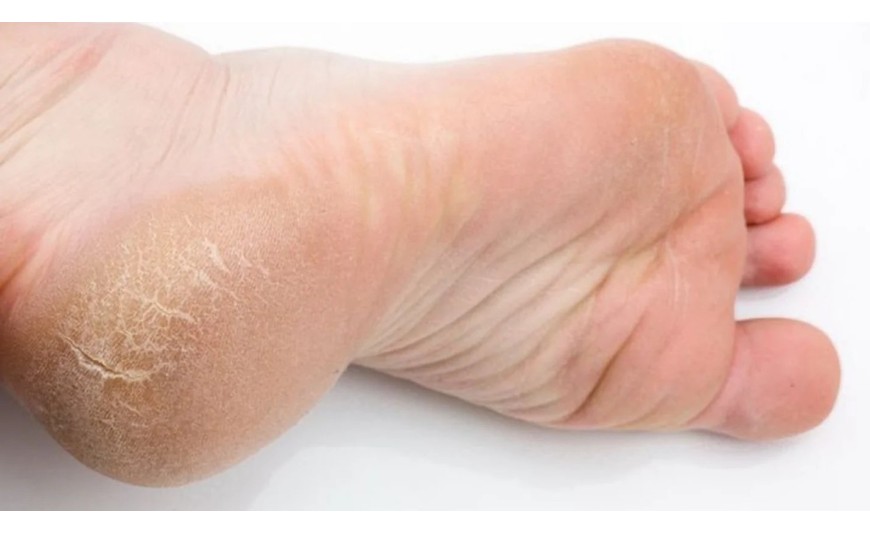
Given the enormous strain that human feet endure every day, caring for them plays a particularly important role. Many people face a number of problems related to their feet and nails, which can be resolved with the help of various therapeutic and preventive products and procedures.
One fairly common problem is cracked heels. Their appearance can be linked to numerous causes. Cracked heels cause discomfort, and in some cases, pain. They look unsightly. What the causes of this condition might be, how to prevent cracks from appearing, and what to do if they do appear, will be discussed below.
Are you experiencing discomfort from unpleasant cracks on your heels? You are not alone! This common phenomenon can be caused by various factors, such as dry skin, improper foot care, wearing uncomfortable shoes, and even certain health conditions.
Are you experiencing discomfort from unpleasant cracks on your heels? You are not alone! This common phenomenon can be caused by various factors, such as dry skin, improper foot care, wearing uncomfortable shoes, and even certain health conditions.
Why do cracks appear on heels?
External factors:
- Uncomfortable shoes
- Environmental influences (cold, dry air)
- Frequent contact with water and harsh soaps
- Lack of humidity in the room
Internal factors:
- Age-related changes
- Metabolic disorders (diabetes, obesity)
- Skin diseases (psoriasis, eczema)
- Vitamin and mineral deficiencies
- Circulatory disorders
How to deal with cracked heels?
- Moisturize: Regularly use foot creams and lotions containing urea, glycerin, or oils.
- Exfoliate: Remove dead skin cells using a scrub or pumice stone.
- Comfortable and safe shoes: Choose comfortable shoes made from natural materials.
- Nutrition: Consume foods that contribute to the health of the skin on your feet.
- Foot hygiene: Follow nail care rules and treat your feet after visiting a pool or sauna.
- Professional care: Visit a podiatrist for an examination and treatment.
Preventing cracked heels:
- Regular hygiene: Wash your feet daily with warm water and a mild soap.
- Moisturize: Apply foot cream twice a day.
- Proper nail trimming: Trim your nails regularly and be careful not to injure the surrounding skin.
- Comfortable socks: Choose socks made from natural materials that absorb moisture.
Treatment
Regular, intensive softening and moisturizing play a key role in preventing cracked heels and maintaining their health. To do this, it is necessary to:
- use moisturizing creams with glycerin, urea, shea butter, or hyaluronic acid, which help retain moisture in the skin;
- remove dead skin cells using a peel or scrub to stimulate skin regeneration.
Apply moisturizing foot cosmetics to the skin of your heels every day before bed and after showering.
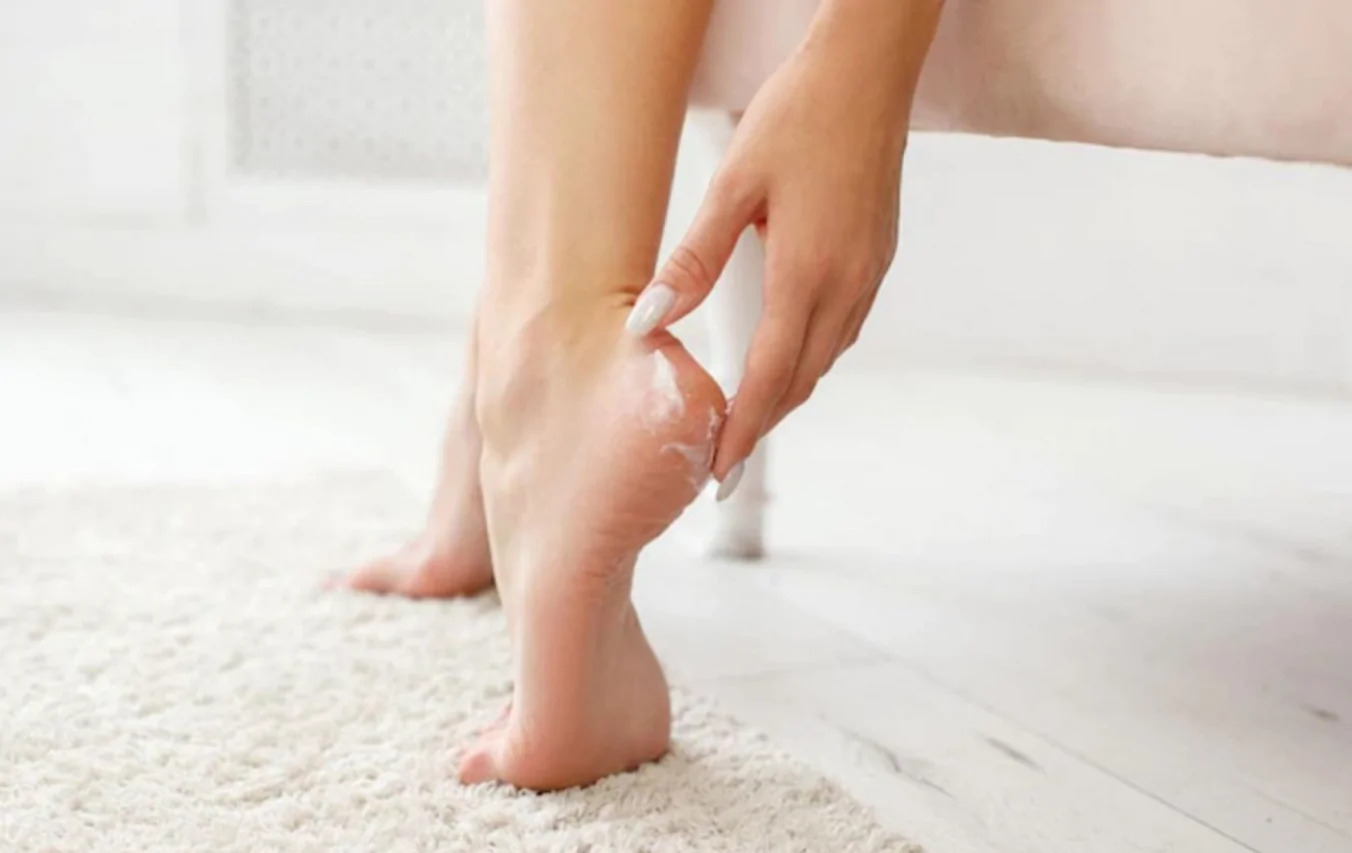
Treating cracks and skin regeneration
If you have not managed to prevent cracks from appearing on your heels, you should immediately take the following measures to treat them:
- use specialized products in the form of creams with panthenol, urea, or other active ingredients;
- treat your heels with serums, oils containing plant extracts and vitamins, which help accelerate the healing of small wounds and regenerate the skin.
You can also use plasters for treating cracked heels, which protect the damaged skin and stimulate its healing.
Home remedies for care
In addition to pharmacy products, there are home remedies for effective heel skin care. Masks and compresses with aloe vera oil, honey, olive oil, and coconut oil give good results for moisturizing and softening the skin of the heels. Regular foot baths with the addition of essential oils or sea salt provide a moisturizing and softening effect, improving skin texture. Moreover, such baths help relieve fatigue in the lower limbs.
Shoes and socks: influence on the condition of the heels
To prevent cracked heels, it is important to choose the right shoes and socks. Shoes should be the correct size, with good cushioning and a soft heel counter. Socks should be chosen from natural materials. Products made from wool, bamboo, or cotton prevent skin irritation and excessive sweating, allowing the skin to breathe.
Preventive measures and recommendations
To prevent the occurrence of cracked heels, experts recommend taking the following measures:
- regularly moisturize the skin on this part of the foot with special products after water procedures, as well as before bed;
- avoid prolonged exposure to water, dry your heels thoroughly after bathing;
- get regular pedicures.
It is also important to wear properly fitted, comfortable shoes made of breathable materials in every season.
Conclusion
Cracked heels are not only painful and unsightly. Such damage to the skin, especially if ignored and left untreated, can lead to the development of infections and serious complications. Open cracks are a gateway for fungi and bacteria. This problem is especially dangerous for people with diabetes or simply with a weakened immune system.
Following the recommendations for caring for the skin of the heels and feet in general will help you avoid its occurrence.